
Starting an email can set the tone for your entire message, so it’s worth getting it right. An effective opening creates clarity and sets expectations for the reader. Whether you’re writing to a colleague or reaching out to a potential client, how you start your email matters.
What You Need to Know
Your email opening should be tailored to your audience. If you’re emailing a colleague you chat with daily, feel free to use casual greetings like “Hey” or “Hi”. But for new clients or formal contacts, opt for “Dear” or “Hello [Name]”. Consider the subject too — it’s the window into what you’re about to discuss. Get it wrong, and your email might end up ignored. Aim for precision and relevance to ensure it aligns with the recipient’s expectations and can even enhance engagement.
Common Mistakes
Avoid generic and formal openers in informal settings and vice-versa. “To Whom It May Concern” might have its place, but it’s dated for most modern business communications. Take a moment to understand your recipient’s preferences if possible. Using the wrong tone can make your message seem impersonal or off-putting, which is the quickest way to lose engagement. You don’t want your email lingering in the recipient’s inbox, unread and unloved.
Formal vs. Casual Variations
When you’re unsure, err on the side of formality—especially in professional settings. “Dear Mr. Smith” is less awkward than guessing someone’s preference for casual interactions if you’re not sure. But once rapport is established, more casual openers like “Hi Jane” can create a friendly atmosphere. Remember, your first line should naturally transition into your main message—so draft it carefully.
Examples
Let’s look at some examples to see this in practice.
This is how you might start an email to a new client.
Here’s an example for a colleague you know well.
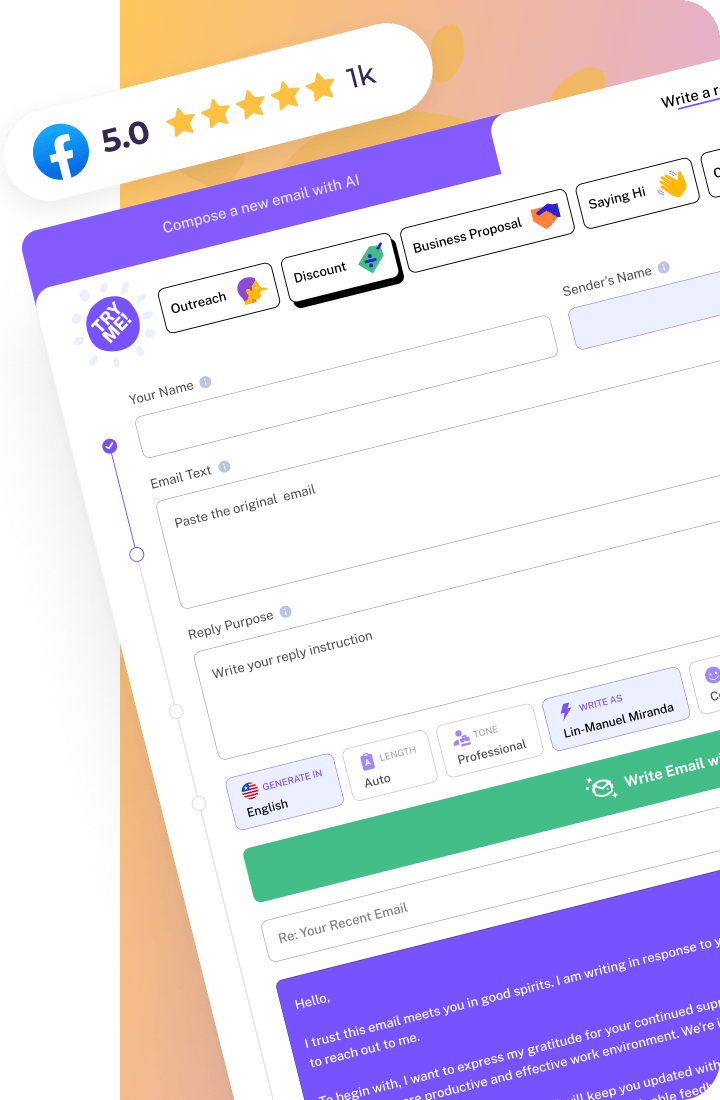
How WriteMail.AI Helps You With How to start an email
WriteMail.AI makes it easy to find the right tone and formality for starting your emails. Whether you need help drafting a professional introduction or a casual opener for a recurring colleague email, WriteMail.AI offers tailored suggestions so you can save time and present yourself well.