
Ending an email might seem simple, but the right close can leave a lasting impression. Crafting a fitting email ending depends on the context and relationship with your recipient.
Choosing the Right Closing
Your email close is more significant than you might think. The key is to match your closing to your email’s tone and your relationship with the recipient. For formal communications, especially external ones, default to “Best regards” or “Sincerely.” These are safe and professional choices. For internal or less formal emails, “Cheers” or “Best” can work well. Ever sent that email and immediately regretted the sign-off? Add a little context about your relationship with the recipient to avoid this. If you’re unsure about the right level of formality, err on the side of caution. Sign-offs like “Yours sincerely” may seem overly formal but are widely safe in professional communications.
Common Mistakes to Avoid
The wrong sign-off can undermine an otherwise great email. Avoid overly casual endings like “xoxo” unless you’re writing to someone you know well in a personal context. Also, steer clear of inappropriate humor or overly emotional language. This can make you seem unprofessional. A simple “Thank you” can often be a better choice if you’ve made a request. Reminder: what you omit is as important as what you include. No one likes a sign-off that doesn’t correlate with the email’s content or tone. Tone and content dictate whether you should remain formal or can be more personalized.
Let’s look at how these principles work in the wild. In a formal setting like reaching out to a client, “Best regards” is a trusty closing line. Here’s an example:
For a more casual internal communication, a softer approach works:
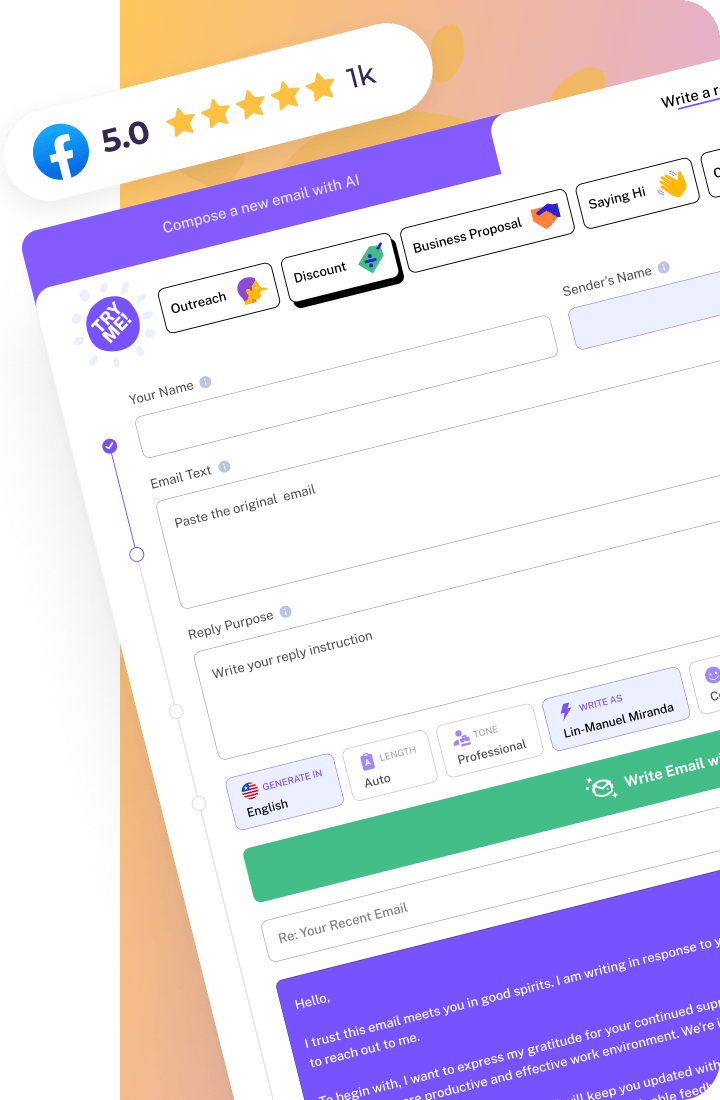
How WriteMail.AI Helps You With How to end an email
WriteMail.AI simplifies email composition, ensuring your closing matches the rest of your message. It suggests appropriate sign-offs based on the tone and content of your email. Using AI, it saves you from common pitfalls like misused humor or tone mismatches, so your emails always leave a positive impression.