
Email format refers to the structure and layout you choose for your emails, which can significantly impact how your message is received. It includes elements like the subject line, greeting, body, closing, and signature, and adapting these depends on whether your email is formal or casual.
Understanding Email Format
It’s essential to understand that email format isn’t just about aesthetics; it’s about clarity and professionalism. A well-structured email helps the recipient quickly identify the purpose and key points. Start with a clear subject line—it’s your email’s headline and first impression. For formal emails, like those to clients or your boss, a traditional greeting such as “Dear [Name]” is usually the safest choice. The body of your email should be concise, addressing one topic at a time for clarity. Close with a common courtesy like “Best regards” or “Sincerely,” which maintains professionalism. An engaging yet professional email format can enhance your communication effectiveness significantly.
Formal vs. Casual Variations
Deciding between a formal and a casual email format can be tricky. Use a formal structure when emailing external contacts or superiors—it reflects professionalism and respect. In contrast, emailing a colleague for feedback can be more casual, using greetings like “Hi” or “Hello,” with a brief, friendly tone. Always consider your relationship with the recipient and the email’s purpose when choosing your tone. This distinction often prevents misunderstandings and streamlines communication.
Example: Formal Email
Here’s how you might use the formal email format for a project proposal submission:
Example: Casual Email
This is how a casual email might look when asking your team for post-meeting feedback:
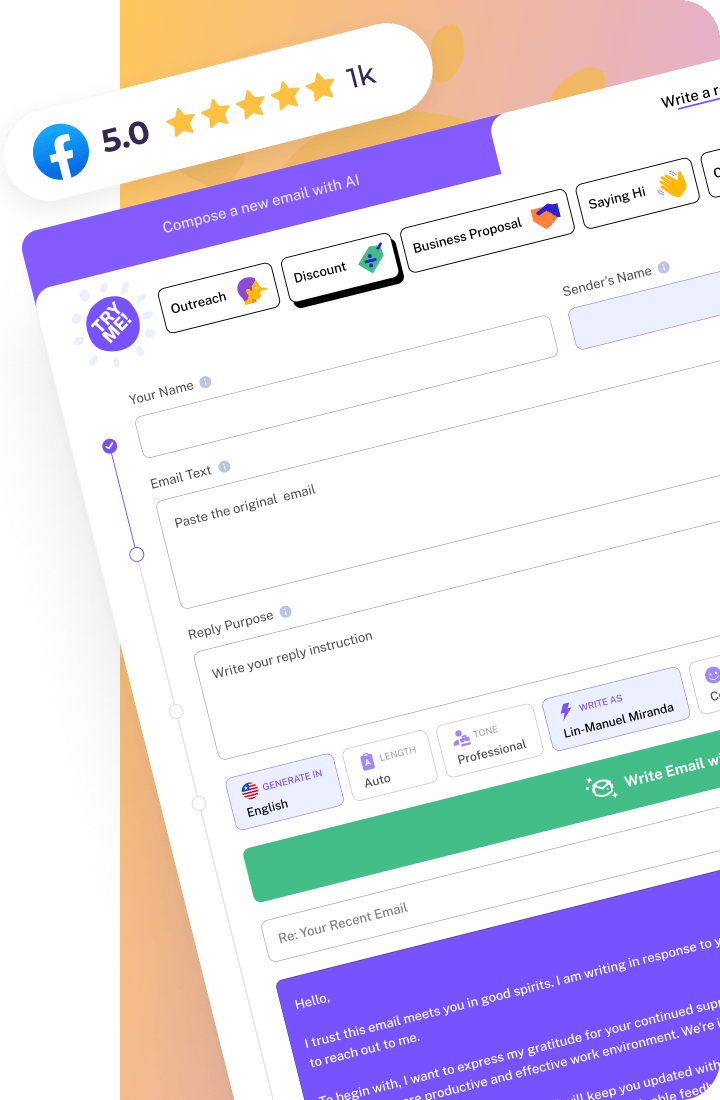
How WriteMail.AI Helps You With Email format
WriteMail.AI simplifies structuring your emails correctly by offering tailored templates for any situation. Whether formal or casual, you get suggestions that fit your tone and purpose seamlessly. It helps you avoid common pitfalls like awkward sign-offs or misleading subject lines.