
What a Reminder Email Means in Practice
In practice, a reminder email serves as a nudge to prompt the recipient to take a specific action or remember an important event. These emails are crucial in settings where timelines are tight, and miscommunication can lead to deadlines being missed. For instance, if you’ve scheduled a meeting or need a document by a certain date, a reminder email helps ensure the recipient is prepared and punctual. Crafting these emails requires balance — you want to remain polite but also effective in prompting a response.
When to Use Reminder Emails
You should use reminder emails whenever there’s a significant risk of something being overlooked, especially if what you’re reminding them about is crucial. For project deadlines, meetings, payment dues, or events like webinars, a reminder can make the difference between participation and forgetfulness. The timing should be strategic — not so early that it’s forgotten again, and not so late that there’s no time to act. An optimal window might be a couple of days before the task or event, with a final nudge the day before.
When to Avoid Sending Reminder Emails
Avoid sending reminder emails that could come across as micromanaging or unnecessary. If a deadline is well-known and your earlier communication was clear and acknowledged, bombarding them with reminders can seem pushy and disrespectful. Also, steer clear if the recipient has explicitly asked to handle the matter autonomously. Trust in your recipient’s competence unless there’s a valid reason to doubt it.
Common Mistakes in Reminder Emails
A frequent mistake is writing a reminder email that’s too informal, assuming the recipient’s cultural context aligns with your own. This can lead to misunderstandings. Another pitfall is scolding tone: treating the reminder as a reprimand rather than a helpful nudge. Be concise, clear, and respectful. Also, forgetting to include essential details or links can render your reminder ineffective.
Best Practices for Writing Reminder Emails
Start with a friendly greeting and a concise subject line that clearly states the purpose, such as ‘Meeting Reminder for [Date/Time]’. Your email should quickly get to the point, highlighting what you are reminding them about and what actions they should take. Use bullet points for clarity if you’re referencing several tasks. A polite closing reiterating the importance of the action needed helps leave a positive impression.
Formal vs. Informal Variations
For professional settings, opt for a formal tone, especially if it involves hierarchical relationships or external stakeholders. Use a brief subject and a straightforward body, ending with ‘Best regards’. In more relaxed environments, such as within a tight-knit team, informal reminders can work with a simple ‘Hi team’ greeting and ‘Cheers’ sign-off, but clarity is still key. Adjust the tone to fit the relationship without losing professionalism.
Examples of Effective Reminder Emails
For formal situations, such as reminding a client about an upcoming meeting, here’s how you might approach it:
For a casual reminder to a team member about a project deadline:
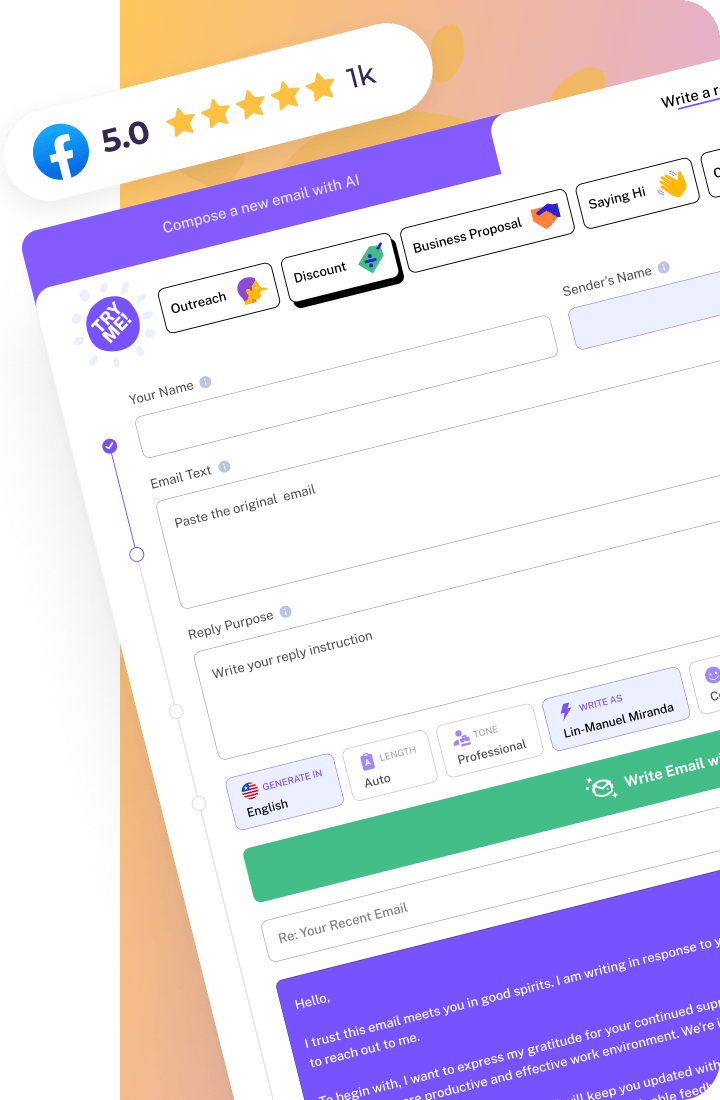
How WriteMail.AI Helps You With Reminder email
WriteMail.AI elevates your reminder emails by crafting precise prompts that align with your style and tone. It offers template suggestions to ensure you communicate clearly and effectively, saving you time revising and ensuring important tasks don’t slip through the cracks.