
An introduction email is your digital handshake. It’s that initial message you send to establish a connection, whether it’s a new client, colleague, or even just an introductory email for networking purposes. Your goal is to set a positive tone and lay the groundwork for your ongoing relationship.
Crafting the Perfect Introduction Email
When you’re drafting an introduction email, you want it to be clear, concise, and impactful. Avoid complex sentences—simplicity is your friend. Start by stating who you are and why you’re reaching out. Make sure every line has purpose. Don’t just introduce yourself: offer context and relevance that connects directly to them. Why should they care about your email? Include a brief personal note or shared interest if possible—this makes your email memorable. Aim for friendliness without losing professionalism; “Hi [Name]” works well for most, but keep it more formal with “Dear” if you’re not sure.
Then there’s the sign-off. While “Best regards” is generally a safe bet, it might feel too formal in some cases. If you’re introducing yourself to peers in a more casual industry, “Cheers” or “Thanks” might be perfectly appropriate. Just steer clear of anything too familiar like “Love” or “Later.” You don’t want to throw off your recipient with a misstep in tone.
When to Send and Common Mistakes
Timing matters. Send your introduction email early in the week if possible—Tuesdays and Wednesdays tend to have the highest open rates. Avoid Fridays if you can help it, and definitely steer clear of sending an intro email when everyone is scrambling with start-of-week priorities. One pitfall is sending a lengthy, dense message; nobody wants to read a novel when they just came back from lunch. Keep it skimmable with clear, distinct paragraphs. Watch your tone. Not all sectors appreciate a casual approach; understand your audience before you hit “send.”
Examples of Introduction Emails
Here’s an example for a business context where you’re introducing yourself to a potential client:
Another example for a more casual networking scenario:
How WriteMail.AI Helps You With Introduction Email
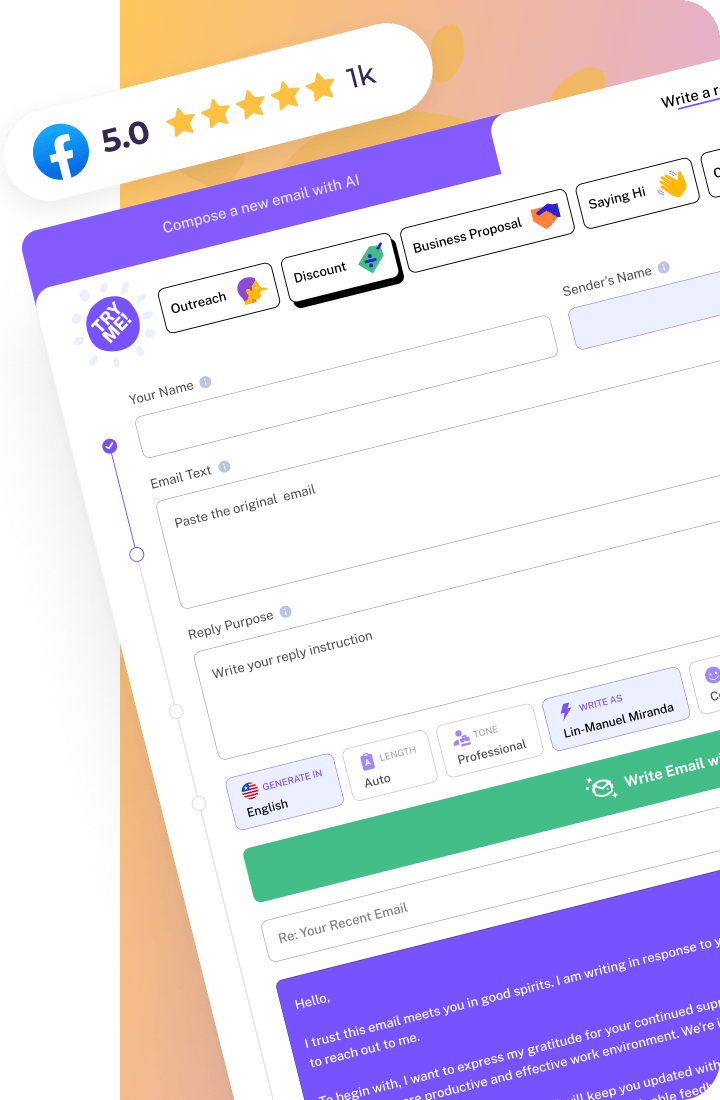
WriteMail.AI simplifies your introduction email writing process, ensuring you hit the right tone and structure every time. Whether you’re reaching out formally or casually, WriteMail.AI generates tailored suggestions to make your initial contact successful and memorable.