
A rejection email is a communication sent to inform someone that their request, proposal, or application has not been successful. It’s a necessary part of professional communication, whether you’re turning down a candidate, declining a collaboration, or rejecting a business proposal.
Crafting an Effective Rejection Email
Rejection emails need to be clear, concise, and considerate. When you’re crafting one, begin by stating your decision directly to avoid any confusion. Use straightforward language and keep the tone professional, especially if the relationship could continue in another capacity. Adding a touch of empathy can humanize your message—acknowledge the effort or interest involved. For example, thanking a job candidate for their time and noting the competitiveness of the field can ease the disappointment. Avoid overly apologetic language as it can come off as insincere, but a simple “we regret to inform” is standard and accepted. Balancing brevity and courtesy is key.
When and How to Use Rejection Emails
You’ve got to know when a rejection email is necessary and when something else might be more appropriate. For formal situations like job applications or official business requests, email is best. But if you’re declining a social invite or something informal, a quick call or message might feel more personal. Avoid delay in sending these emails; promptness shows respect. Sound like something you might tend to put off? While drafting, consider how formal or casual you ought to be. “Best regards” works wonders in professional settings, whereas “Cheers” might work if you know your recipient well. Tailor your approach based on your relationship with the person you’re communicating with.
Examples of Rejection Emails
Here’s an example of a rejection email for a job application:
Another example is declining a partnership proposal:
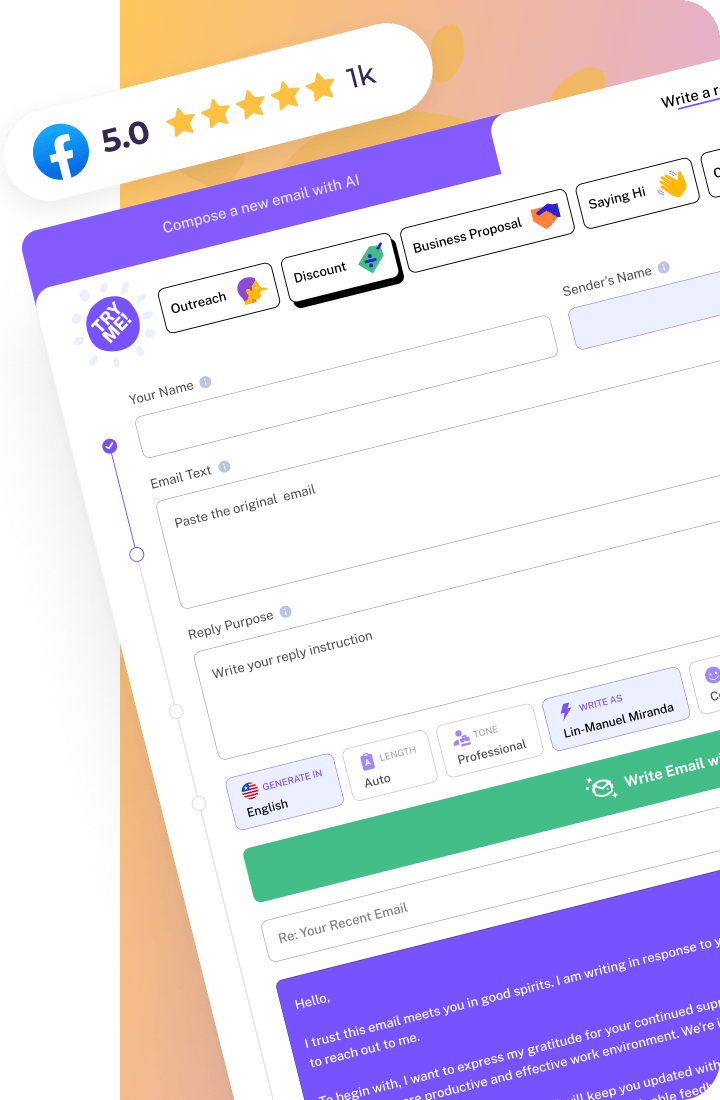
How WriteMail.AI Helps You With Rejection email
WriteMail.AI simplifies the process of crafting rejection emails by providing you with tailored templates that strike the right balance between professionalism and empathy. With smart suggestions, it helps you convey your message clearly without leaving room for misinterpretation.