
“Kind regards” is a widely-used email closing that strikes a balance between professionalism and cordiality. Often found in work-related emails, it’s suitable for communication with colleagues, clients, and contacts when you want to maintain a respectful tone.
Understanding “Kind regards”
“Kind regards” is a versatile sign-off that adapts well to various professional settings. It’s more formal than a plain “Regards” but doesn’t carry the potential stiffness of “Sincerely.” This makes it ideal for communications where you want to express warmth without losing professionalism. If you’re writing to a new contact or communicating with someone senior, “Kind regards” can help you establish a polite yet approachable tone. Remember, your email sign-off reflects your relationship with the recipient, so choose wisely.
When deciding whether to use “Kind regards” or another sign-off, consider the context and your existing relationship with the recipient. For an email to a client you’ve just met, “Kind regards” sets a friendly but professional tone. In contrast, for quick updates between team members who communicate frequently, a casual “Thanks” might suffice. The key is to use a closing that complements the body of your email and respects the dynamic you share with your reader.
Common Pitfalls
Misusing an email sign-off can subtly alter your message’s reception. Ever sent that email and immediately regretted the sign-off? Overusing “Kind regards,” especially in casual or informal interactions, might seem unnecessarily formal. On the flip side, opting for an overly casual sign-off in a formal setting can make you appear unprofessional. Stick to “Kind regards” when the setting is somewhat formal, and you’re not entirely sure of the recipient’s preference for informality.
Examples of “Kind regards”
Here are some examples to illustrate when “Kind regards” is appropriate:
This is for a follow-up after a networking event:
In this one, you’re reaching out to a new client:
How WriteMail.AI Helps You With Kind regards
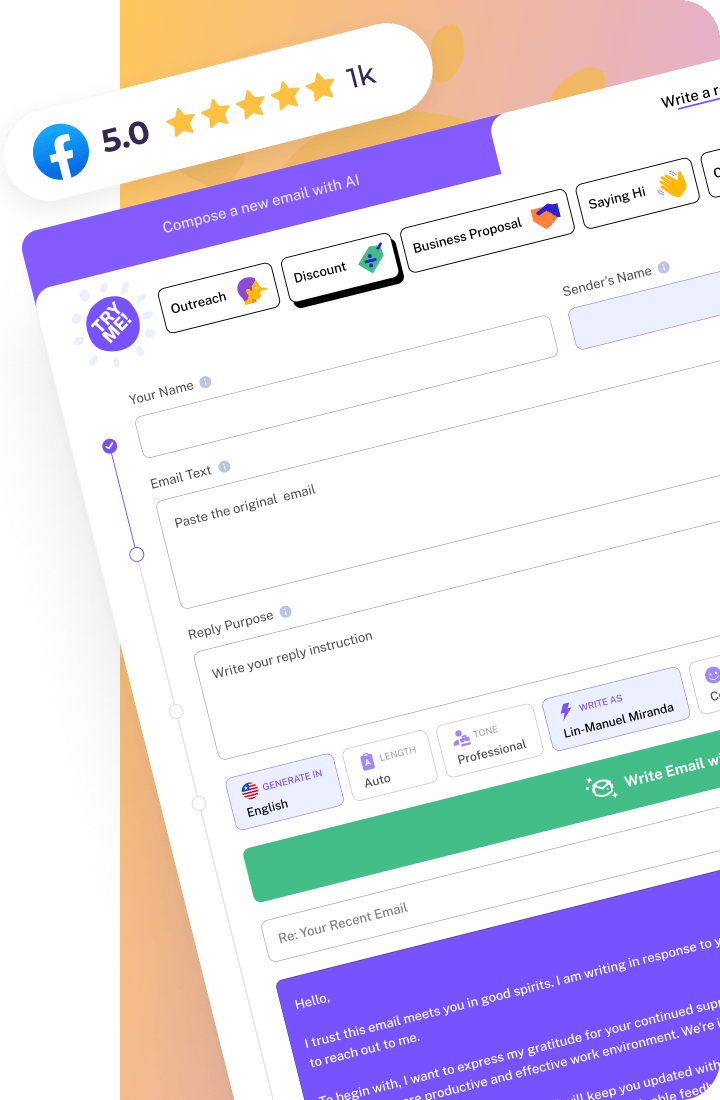
WriteMail.AI takes the guesswork out of choosing the right email sign-off. By analyzing the tone and context of your email, it suggests the most suitable closing, like “Kind regards,” ensuring your message ends on the right note every time.