
A follow-up email is a message sent to remind or check in with someone after an initial communication or event. You’ve likely sent one after a job interview, client meeting, or a touchpoint with a prospective lead.
When you’re crafting a follow-up email, timing and tone are everything. Send it too soon, and you risk being pushy; delay too long, and you may be forgotten. Aim to strike when the original communication or event is still fresh. The tone should match the context. For business settings—especially with new clients or formal interactions—opt for a professional tone. Use more casual language for internal or ongoing relationships where it’s appropriate.
Common mistakes include generic messaging. Nobody wants to read an email that feels copy-pasted. Make sure to reference your last interaction and include pertinent details to keep it personal. Formal vs. casual variations can also trip you up. “Best regards” is safer for external or formal exchanges, while “Cheers” suits casual, internal ones. Avoid follow-up if the previous message clearly stated “no need to respond.” Always consider the context.
Here’s when a follow-up email shines: checking in after a job interview, touching base after a sales pitch, or reminding someone of a pending deadline. But be cautious with the frequency. Persistent follow-ups can be annoying. Using a well-timed nudge helps you keep the dialogue alive without annoying your recipient.
You just had a promising demo with a prospective client, and you don’t want to lose the momentum. Here’s how you might craft your follow-up email:
In another scenario, you might want a softer touch, say after an informal event or meeting:
How WriteMail.AI Helps You With Follow up email
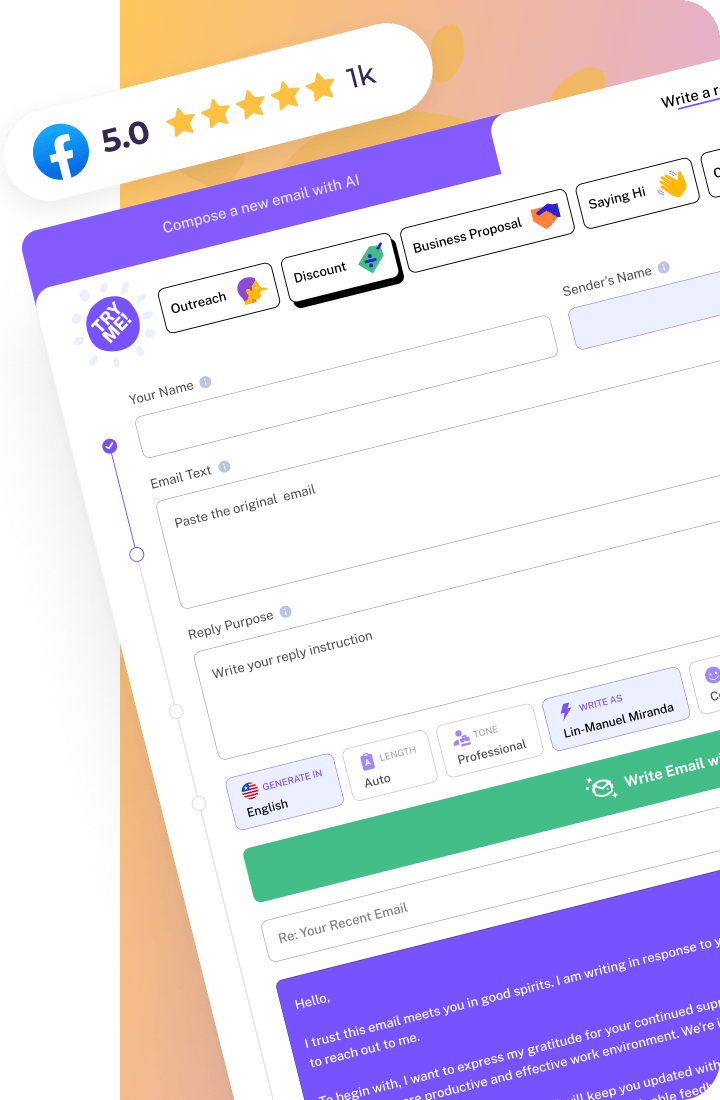
WriteMail.AI streamlines follow-up email creation by suggesting personalized content based on your initial interactions. It saves you time by crafting context-aware messages, ensuring your follow-ups are timely and relevant.