
I sent 147 cold emails last quarter and got 7 replies. A 4.7% response rate – right at the industry average.
But here’s what mattered: three of those seven replies turned into paying customers worth a combined $34,000 in annual revenue. The other 140 emails? Dead on arrival. Same sender, same product, same week. The only difference was how I wrote them.
That gap – between emails that start conversations and emails that vanish in two seconds – is what this post covers. Not theory. Not “best practices” recycled from 2019 blog posts. These are patterns from 2,000+ campaigns sent through WriteMail.ai, and the mistakes that show up in nearly every failing sequence.
Some senders consistently hit 15-30% response rates. Most sit below 5%. The difference comes down to five fixable problems – and each one is predictable enough that you can diagnose it in your own outreach today.
Five Reasons Your Cold Emails Get Deleted
Last month I pulled a random sample of 200 cold emails from WriteMail.ai users who reported zero replies. Every single one had at least one of the five problems below. Most had three or more.
You’re Emailing The Wrong Person
Most failed cold emails go to the wrong person. Full stop. Bad targeting kills outreach before it starts – and I see it constantly, even from experienced senders.
Skipping research doesn’t save time. It wastes it. You end up messaging people who have zero need for what you sell.
Before writing a single word:
- Confirm the recipient actually makes buying decisions for what you offer
- Check their LinkedIn or company news for recent triggers (new role, funding round, product launch)
- Identify one specific challenge they’re likely facing right now
- Find a personal or professional detail that creates a real connection point
Templates Are Obvious (and everyone can tell)
Nothing gets deleted faster than an obvious template. Your recipients see dozens every day – they can spot one in about two seconds. You don’t need to fool them into thinking you wrote a personal letter. You just need to not look like everyone else in their inbox.
Before/After Example: Quick question about [Company]’s marketing strategy
Now, let’s transform this generic template into something that might actually get a response: Your LinkedIn post about customer acquisition challenges
Notice the difference? The second email demonstrates actual research, references specific details, offers genuine value, and doesn’t feel like it was sent to thousands of others.
Lazy Subject Lines Kill Your Open Rate
About a third of recipients decide whether to open based on the subject line alone. That one line is doing more work than the rest of the email combined – and most senders treat it as an afterthought.
Common mistakes:
- Too vague: “Quick question” or “Following up” give zero reason to open
- Fake urgency: Adding “Re:” or “Fwd:” to fake a thread destroys trust the moment they notice
- Overpromising: “Revolutionary solution that will change everything” – nobody believes this
- Wrong length: Too long gets cut off on mobile. Too short says nothing.
The fix: reference something specific to the recipient or their situation. More on subject line craft in the dedicated section below.
Your Email Is About You (and it shouldn’t be)
Open one of your sent cold emails right now. Count the sentences that start with “I” or “We.” If it’s more than one, that’s probably why nobody replied.
Failed campaigns almost always follow the same structure:
- “We are a leading company…”
- “Our product does X, Y, and Z…”
- “We’ve helped many companies…”
- “We’d like to schedule a call…”
Four sentences, all about the sender. Zero about the recipient’s actual problem.
Flip it. Write about their challenges, their goals, their situation. That single change moves the needle more than any subject line trick.
Asking Too Much Too Soon
Asking for a 30-minute call in your first email is like proposing on a first date. You haven’t earned it.
Start smaller. Ask something that takes one minute to answer or costs nothing to say yes to. Share something useful first – no strings. That’s how you build toward a real conversation instead of getting immediately filed under “too much.”

Why Some Cold Emails Get Replies (it’s not luck)
Your recipient decides what to do with your email before they finish reading the first sentence. That decision isn’t rational – it’s driven by cognitive shortcuts their brain runs on autopilot.
Three Mental Shortcuts Working Against You
The moment someone opens your email, three biases are already filtering it:
- Confirmation bias – they notice things that match what they already believe. Say something that fits their worldview and they’ll keep reading.
- Primacy effect – your first sentence colors everything after it. Blow the opener and nothing else matters.
- Loss aversion – people work harder to avoid losing something than to gain something new. Frame around what they’re missing, not what you’re offering.
You don’t need a psychology degree. You just need to stop fighting how people’s brains actually work.
Lead With Value, Not Your Pitch
When someone gives you something useful – no ask attached – you feel like you owe them a little. That’s reciprocity, and it works in cold email the same way it works everywhere else.
So instead of opening with “Can we schedule a call?”, try sharing something first. A specific insight about their business. A resource they’d actually use. An observation that shows you did your homework. That small gift makes the eventual ask feel like a conversation, not a pitch.
Example of a Value-First Email Quick thought about [Company]’s checkout process
Notice how this email offers genuine value upfront without immediately pushing for a meeting. I’ve shared something potentially useful, demonstrated that I’ve done my homework, and only gently suggested further conversation. The recipient now feels a subtle obligation to at least acknowledge this helpful insight.
How To Not Look Like Every Other Email
If your email looks like every other email, it gets treated like every other email. Deleted.
A few ways to break the pattern:
- Skip the standard opener. “I hope this email finds you well” is a delete signal. Open with something they didn’t expect – a question, an observation, a relevant number.
- Use whitespace aggressively. Short paragraphs. One idea per chunk. Most cold emails are visual walls of text.
- Tell a quick story. Even two sentences of narrative (“We had a client in [their industry] who…”) grabs attention differently than a feature list.
None of this works without real personalization behind it. Pattern interrupts get attention; relevance holds it.
You Have One Line To Earn Trust
Your opening line carries more weight than everything after it combined. If the first sentence doesn’t signal “this person knows my world,” the rest never gets read.
Four things that build instant trust:
- Relevance – reference something specific to their company or role
- Proof – mention a result you got with a similar company (name it if you can)
- Authority – one line that shows you know their space, not a bio paragraph
- Honesty – skip the puffery. Directness reads as confidence.
Robert Cialdini’s research on the reciprocity principle (Influence: The Psychology of Persuasion, Chapter 2) shows that when someone receives unsolicited value – even small gestures like useful information – they feel a strong pull to reciprocate. In cold email terms: lead with something genuinely useful for the recipient, and you shift the dynamic from “stranger asking for time” to “someone who already helped me.”
The key is remembering that behind every inbox is a human being whose brain works in predictable ways—when you understand and respect those patterns, your emails will stand out from the 95% that fail.
Subject Lines That Earn The Open
A third of recipients decide whether to open your email based on the subject line alone. One sentence doing more work than the entire body copy.
The best cold emailers I’ve watched treat subject lines like ad headlines – they’ll spend longer on those 6-10 words than on the email itself. That’s not overthinking. That’s proportional effort.
A Quick Framework: Useful, Urgent, Unique, Specific
When I’m stuck on a subject line, I run it against four filters:
- Useful – does it promise something the reader actually wants?
- Urgent – is there a reason to open it now vs. later?
- Unique – could this subject line appear in anyone else’s email?
- Ultra-specific – does it name a real detail, not a vague benefit?
Not every subject line needs all four. But the good ones usually hit at least two.
Go Deeper than the First Name
Adding a first name to the subject line stopped being impressive around 2018. Everyone’s email tool does it. To actually move open rates, reference something specific – their company’s recent news, their job title’s typical pain point, or a metric from their industry.
Consider including:
- Company-specific references: “Ideas for [Company]’s Q3 sustainability initiative”
- Industry-relevant challenges: “Solving the [specific industry] talent shortage that’s affecting [Company]”
- Recent news or events: “Thoughts on your recent expansion announcement”
- Mutual connections: “[Shared contact] suggested I reach out about your analytics challenges”
- Content they’ve engaged with: “After reading your LinkedIn post about customer retention…”
When you demonstrate specific knowledge about the recipient’s situation in just the subject line, you immediately separate yourself from the mass of generic outreach they receive daily.Examples of High-Performing Subject Lines 1. 3 specific ways [Company] could reduce customer churn by 20%
Why it works: Ultra-specific with numbers, promises clear value, addresses a universal pain point (churn), and is personalized to their company. 2. [Mutual Connection] thought we should connect about your team expansion
Why it works: Leverages social proof through a shared connection, references something specific about their business situation (team growth). 3. Quick question about your approach to [specific challenge]
Why it works: Implies a low-commitment interaction (“quick”), demonstrates you’ve done research on their specific challenges, and creates curiosity. 4. Your LinkedIn post about [topic] resonated with me
Why it works: Shows you’ve actually taken time to engage with their content, creates an immediate personal connection, and feels like a natural conversation continuation rather than cold outreach. 5. [Name], can I share what [competitor] is doing with their [relevant business area]?
Why it works: Creates immediate intrigue through competitive intelligence, demonstrates industry knowledge, and offers valuable insider information they likely want to know.
Test Your Subject Lines (don’t guess)
You won’t guess your way to good subject lines. Test them. Send version A to half your list, version B to the other half, and let the open rates tell you what works for your specific audience.
When you conduct subject line tests, focus on changing just one element at a time to understand what truly drives improvements. For example, test:
- Length: “Improve your customer retention” vs. “3 proven ways to improve customer retention by 22% in 60 days”
- Personalization level: “Growing your business” vs. “Growing [Company] after your recent Series B”
- Question vs. statement: “Want to increase conversion rates?” vs. “How we increased conversion rates by 35%”
- Emotional appeal: “Stop losing customers to competitors” vs. “How to win more customers in your market”
The key is tracking your results systematically so you can identify patterns specific to your audience. Over time, you’ll develop a data-backed understanding of exactly what makes your prospects click.
Most outreach platforms include A/B testing features – use them. Test subject lines against each other systematically, tracking open rates by segment, and let the data tell you which approach resonates with your specific audience.
Tie Your Subject Line To What’s Happening Now
One often-overlooked aspect of subject line effectiveness is timing and context. When you connect your subject line to something happening in your recipient’s world right now, you dramatically increase relevance.
Consider these contextual hooks:
- Seasonal relevance: “Preparing your Q4 marketing strategy? Quick suggestion”
- Industry events: “Before you head to [upcoming conference], let’s connect”
- Business cycles: “Planning your 2024 budget? This [specific solution] saved clients 22%”
- Recent company news: “Congrats on the Chicago expansion—question about your hiring plans”
When you demonstrate awareness of your recipient’s current priorities and challenges, your email instantly feels more relevant and timely—two critical factors in getting opened.
Writing effective subject lines isn’t about clever wordplay or marketing gimmicks. It’s about clearly communicating value and relevance to your specific recipient in a way that makes opening your email feel like an obvious decision. Master this skill, and you’ll have successfully cleared the first and most significant hurdle in cold email success.

Cold Email Structure: What Goes Where and Why
Strip away the personalization, the clever subject line, the perfect timing – and you’re left with structure. The sequence of sentences. Where you put the ask. How long each paragraph runs. Most cold emails fail structurally before the reader even notices the pitch.
Your First Sentence Does All The Heavy Lifting
Most recipients decide whether to keep reading or delete based on your first sentence alone. One line. That’s the whole audition.
Your opening line needs to do one of three things:
- Create immediate relevance by referencing something specific to the recipient
- Highlight a compelling insight that makes them curious to learn more
- Ask a thought-provoking question that relates directly to their challenges
What you should never do is start with “My name is…” or “I’m reaching out because our company…” These self-centered openings signal to recipients that what follows is all about you, not them.
How To Structure 5-7 Sentences That Actually Get Read
Once the first sentence does its job, the rest of the email needs a clear sequence – not a random pile of selling points. Here’s a structure that works:
- Hook: Your attention-grabbing first line
- Context: Briefly establish why you’re reaching out specifically to them
- Value proposition: What specific problem can you help them solve?
- Proof: A quick reference to results you’ve achieved for similar companies
- Call to action: One clear, low-friction next step
This structure works because it mirrors how our brains process information—moving from curiosity to understanding to decision-making.
Anatomy of a Successful Cold Email: Quick idea for improving [Company]’s customer retention
Why this works: The email establishes relevance immediately (referencing their LinkedIn post), identifies a specific problem, offers a clear value proposition backed by results, and ends with a low-friction CTA. Each element serves a specific purpose in moving the recipient toward a response.
Shorter Emails Get More Replies
Brevity wins. The cold emails that get the most replies in our data tend to land between 50 and 125 words. That’s shorter than most people think – roughly 4-6 sentences. Why? Because respect for someone’s time is the first gift you can offer a prospect.
Each sentence should earn its place in your email. I recommend reading each line and asking yourself: “If I removed this, would the email still work?” If the answer is yes, delete it.
Remember, it’s simply to start a conversation. You don’t need to include every feature, benefit, and case study you have.
Write a Call-to-Action Someone Would Actually Click
Your call-to-action can make or break your cold email success. Research shows that the right CTA can increase response rates by 42%, yet this is where most senders falter.
When crafting your CTA, consider these proven approaches:
- Be specific about time: “Do you have 15 minutes on Tuesday at 2 pm?” works better than “Can we schedule a call sometime?”
- Offer a choice: “Would you prefer a quick call or should I send over some resources first?” gives the recipient control
- Make it low-commitment: “Are you open to a brief conversation about this?” feels less threatening than “Let’s schedule a demo”
- Ask a question that’s easy to answer: Questions that can be answered with a simple “yes” reduce the mental effort required to respond
The most important rule? Only ask for one thing. Multiple questions or requests dramatically decrease your chances of getting any response at all.
CTAs that feel like a natural next step – not a sales pitch – consistently perform better. Your prospect should feel like they’re being invited to an interesting conversation, not being sold to.
Format For Mobile (46% of opens happen there)
Nearly half of all emails get read on a phone. If your cold email looks like a wall of text on a 6-inch screen, it’s dead on arrival.
For maximum readability:
- Keep paragraphs to 1-3 lines for better mobile readability
- Use white space strategically to make your email scan-friendly
- Highlight no more than one key phrase with bold or italics
- Avoid HTML formatting, colors, or images that might trigger spam filters
Remember that approximately 46% of all emails are now read on mobile devices. When you write your cold email, I suggest sending a test to yourself and checking how it appears on your phone. If it looks like a wall of text, it’s time to add more paragraph breaks.
The perfect cold email isn’t about clever wording alone—it’s about creating a reading experience that guides your prospect smoothly from curiosity to action.
Personalization At Scale (without burning out your team)
Personalization works. That’s not debatable – response rates triple when you reference something specific about the recipient’s situation. The real question is whether you can do it 200 times a week without burning out your entire sales team.
Mail Merge Isn’t Personalization
Personalization doesn’t mean inserting {{first_name}} into a template. It means the recipient reads your email and thinks “this was written for me” – not “this was sent to 500 people.” That’s just the bare minimum, and your recipients can spot this low-effort approach from miles away. True personalization demonstrates that you’ve done your homework and understand something meaningful about the recipient or their business.
What true personalization includes:
- Reference to recent company news or achievements
- Mention of specific challenges in their industry
- Connections to their published content or social media posts
- Acknowledgment of their specific role and responsibilities
- Tailored value propositions that match their business needs
When you implement genuine personalization, response rates jump by 300% or more. The challenge is doing this efficiently.
Let AI Do The Research Grunt Work
The game-changer for personalization at scale is leveraging AI technology that can analyze prospect data quickly and suggest relevant talking points. Pre-program your cadence with templates for each touchpoint, then personalize the one or two details – a recent trigger, a shared context – that make each message feel freshly written.
These tools work by:
- Analyzing company websites, social profiles, and news mentions
- Identifying relevant talking points based on the prospect’s digital footprint
- Suggesting industry-specific challenges and opportunities
- Generating personalized conversation starters that resonate
Using AI for research and initial drafts cuts email prep time by up to 80%, while actually improving the quality of personalization.
Personalization Example: One Core Message, Three Industries
For a SaaS Finance Director:
For a Manufacturing Operations Manager:
For a Healthcare Administrator:
Notice how each example maintains the same core structure and offer, but completely customizes the context, pain points, and references to match the recipient’s industry and role. This is the essence of personalization at scale.
When To Trust AI – And When To Write It Yourself
AI is great at pulling data, spotting patterns, and drafting openers. It’s bad at knowing when your prospect just posted about their kid’s soccer game and that’s the detail that’ll make your email land. Know which parts to automate and which parts need you.
Here’s how I recommend striking that balance:
- Use AI for: Initial research, identifying talking points, generating first drafts, and suggesting industry-specific language
- Add human touches for: Final editing, adding personal anecdotes, referencing shared connections, and customizing your tone based on the relationship potential
The most effective approach is using technology for 80% of the process, then applying your human judgment to refine the final 20%. This combination delivers authenticity at a scale that was previously impossible.
Segment First, Then Personalize Within Segments
When you’re reaching out to hundreds or thousands of prospects, even with AI assistance, you’ll want to implement smart segmentation strategies. Segmented campaigns drive dramatically higher revenue – Campaign Monitor’s data showed up to 760% more revenue from segmented sends.
Effective segmentation dimensions include:
- Industry vertical – Create industry-specific templates addressing common pain points
- Company size – Tailor your message to the scale of operations (enterprise vs. SMB)
- Decision-maker role – Address the unique concerns of CTOs versus CMOs versus CFOs
- Technology stack – Reference tools they currently use that complement your offering
- Growth stage – Adapt your approach for startups versus established businesses
When you combine smart segmentation with AI-powered personalization, you create a hybrid approach that delivers the best of both worlds: emails that feel individually crafted but can be produced at scale.
By strategically applying the techniques we’ve discussed, you’ll be able to send cold emails that feel anything but cold, even when reaching hundreds of prospects per week.
Follow-ups: Where Most Deals Actually Close
Most senders quit after one or two follow-ups. The data says the fifth follow-up is where deals actually close.
How Many Follow-ups Is Too Many?
After analyzing data from Backlinko study, over 12 million outreach emails, patterns emerge that can guide your follow-up strategy. The sweet spot appears to be 4-5 total touches (initial email plus 3-4 follow-ups) for most B2B scenarios. When you persist to this number, your chances of getting a response increase dramatically.
Optimal Follow-up Timing:
- Follow-up #1: 3 days after initial email
- Follow-up #2: 5-7 days after first follow-up
- Follow-up #3: 7-9 days after second follow-up
- Follow-up #4: 10-14 days after third follow-up
This cadence gives your recipient breathing room while ensuring you stay on their radar. This spacing strikes the right balance between persistence and respect for their time.
A Follow-up Sequence That Works
The key to effective follow-ups isn’t just timing – it’s progression. Each message in your sequence should serve a distinct purpose and add new value rather than just “checking in” (which I’ve found recipients find annoying).
Complete 4-Email Sequence Example: Quick question about [Company]’s approach to customer retention
Customer Success Strategist Re: Quick question about [Company]’s approach to customer retention
Customer Success Strategist: Alternative approach to your retention goals
Customer Success Strategist: Last thoughts on improving [Company]’s retention
Each Follow-up Needs To Earn Its Existence
Notice how each follow-up in the sequence above does more than just “bump” the previous message. When you design your follow-up sequence, make sure each email provides something fresh:
- First follow-up: Add relevant case studies or specific results
- Second follow-up: Present an alternative approach or solution angle
- Third follow-up: Offer additional value with no strings attached
- Final follow-up: Create a genuine closing opportunity without pressure
This progression works because it respects the recipient’s decision-making process. You’re not just pestering them – you’re providing new information that might change their calculation about responding.
Automate The Sequence, Not The Message
A well-structured follow-up sequence doesn’t have to mean more manual work. Pre-program your cadence with templates for each touchpoint, then personalize the one or two details – a recent trigger, a shared context – that make each message feel freshly written.
The key is to automate the process without automating the content. When you use AI tools to help craft follow-ups, make sure you’re still:
- Referencing specifics from previous communications
- Acknowledging the time that’s passed appropriately
- Customizing value propositions based on what you know about the recipient
- Varying your approaches rather than sending the same message repeatedly
Follow-ups aren’t reminders. They’re chances to show you understand the recipient’s world – and that you’re worth a reply. Most of your pipeline is sitting in those “didn’t respond yet” threads.
Your 30-minute Pre-send Checklist
You’ve got the diagnosis. Now here’s the fix – five steps you can run through before your next cold email goes out. Budget 30 minutes.
Here’s your cold email success blueprint:
- Start with thorough research. This is the step most senders skip, and it’s the one that costs them the most replies. When you understand your recipient’s world, you can speak their language.
- Craft subject lines that promise specific value, not vague curiosity. You want to signal relevance immediately.
- Focus your message on the recipient’s challenges, not your capabilities. When you position yourself as a problem-solver rather than a product-pusher, you change the entire dynamic.
- Keep your initial outreach concise (50-125 words) and focused on earning the next step, not closing the deal.
- Follow up intelligently with value-adding touches. When you abandon your outreach too soon, you miss the majority of potential opportunities.
One final tip that ties everything together: before hitting send, ask yourself, “If I received this email from a stranger, would I respond?” Be brutally honest with yourself. If there’s any hesitation, rework your message until the answer is a confident “yes.”
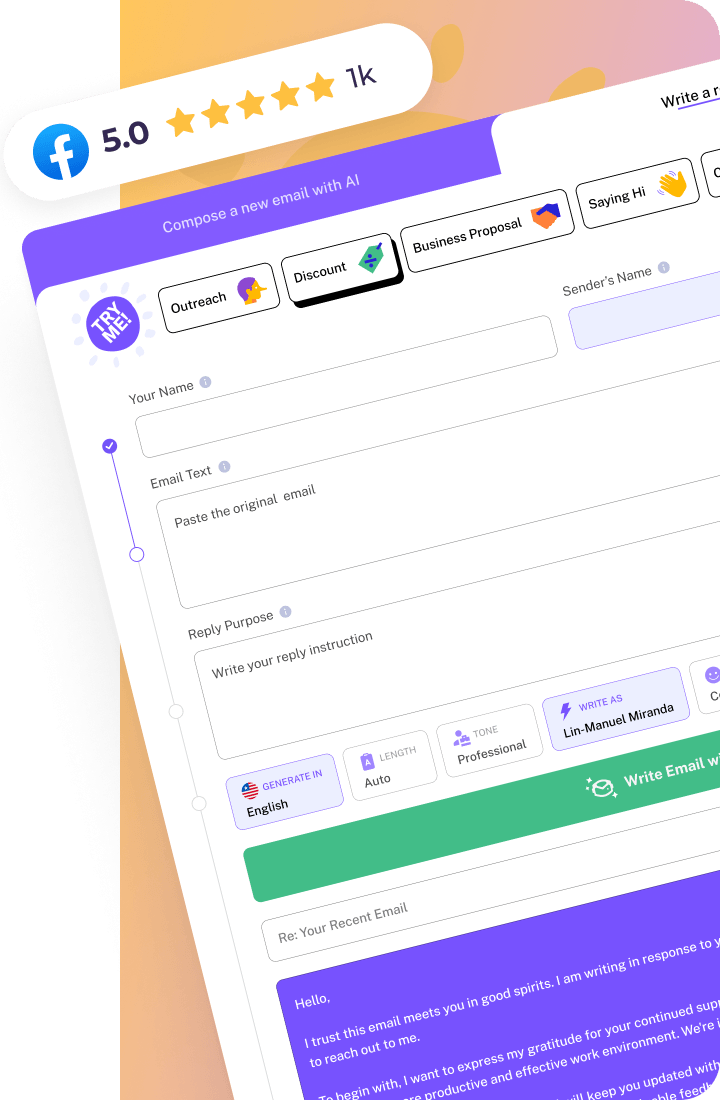
Cold emailing doesn’t have to be a numbers game where you accept minimal returns. When you implement the strategies we’ve covered, you’ll find your response rates climbing steadily. If you’re looking to streamline this process while maintaining quality, tools like WriteMail.ai can help you generate personalized, high-converting emails based on data-driven insights rather than guesswork.
I encourage you to test these approaches with your very next cold email. Select just one prospect, implement these principles meticulously, and see how different the response feels. Then scale what works.
The inbox battlefield may be crowded, but with these strategies, you’re no longer sending just another cold email—you’re initiating a valuable conversation. And in a world where genuine connection stands out more than ever, that’s your true competitive advantage.