

You know the email I’m talking about. It’s been sitting in your mental drafts folder for three days. Maybe five. You sent something important, heard nothing back, and now you’re stuck in that uncomfortable limbo between “they’re probably just busy” and “did I somehow offend them?”
Here’s what I’ve learned after years of sending (and avoiding) follow-up emails: the message you’re dreading is almost never as awkward as the silence you’re tolerating.
Why Follow-Up Emails Feel So Hard
Let’s be honest about what’s really happening when you avoid sending that follow-up email. It’s not that you don’t know how to write one. You’ve written hundreds of emails. The problem is emotional, not technical.
You’re worried about seeming pushy. Or desperate. Or like you don’t understand that important people are busy. There’s a voice in your head asking “what if they’re ignoring me on purpose?” and another one countering with “but what if they just missed it?”
This internal debate can go on for days. Meanwhile, your request sits unanswered, your project stalls, and your anxiety quietly compounds.
The truth? Most unreturned emails aren’t personal. People are overwhelmed. Your email landed at the wrong moment, got buried under seventeen others, or ended up in a tab they forgot to check. A polite follow-up isn’t annoying. It’s often a relief. You’re giving them a second chance to respond to something they probably meant to address.
When to Send a Follow-Up Email (The Timing Question)
Timing matters more than you think. Send too early, and you seem impatient. Wait too long, and the original context fades. Here’s a framework that works for most professional situations:
For time-sensitive requests: 2-3 business days. If you needed an answer by Friday and it’s now Wednesday with no response, following up is reasonable and expected.
For job applications: 5-7 business days after an interview, or one week after submitting an application. Hiring processes move slowly, but candidates who follow up appropriately show genuine interest.
For sales or business development: 3-5 business days for warm leads. If you’ve had previous contact, this interval shows persistence without pressure.
For networking or favor requests: 7-10 days. These aren’t urgent for the recipient, so give them breathing room before your gentle nudge.
For invoices or payments: Follow your stated terms, then send a reminder the day after the due date. This is business, not personal.
The exception to all of this: if your original email specified a deadline that has passed, follow up immediately. You set the expectation. Now you’re simply holding them (and yourself) to it.
The Anatomy of a Follow-Up Email That Gets Responses
Forget everything you’ve read about magic subject lines and psychological tricks. The best follow-up emails share three qualities: they’re short, they’re clear about what you need, and they make responding easy.
Keep it brief. Your follow-up should be shorter than your original email. You’re not restating your case. You’re providing a gentle reminder and removing any friction from the response.
Reference the original clearly. Don’t make them dig through their inbox. Mention the date, the subject, or the key request. Something like “I wanted to follow up on my email from last Tuesday about the Q2 budget review.”
Give them an out. Sometimes people don’t respond because they don’t have a good answer yet. Acknowledge this: “If you need more time or information from me, just let me know.”
Make the next step obvious. End with a clear, easy action. Not “let me know your thoughts when you get a chance” but “could you confirm by Thursday if the 10am slot works?”
Follow-Up Email Templates You Can Actually Use
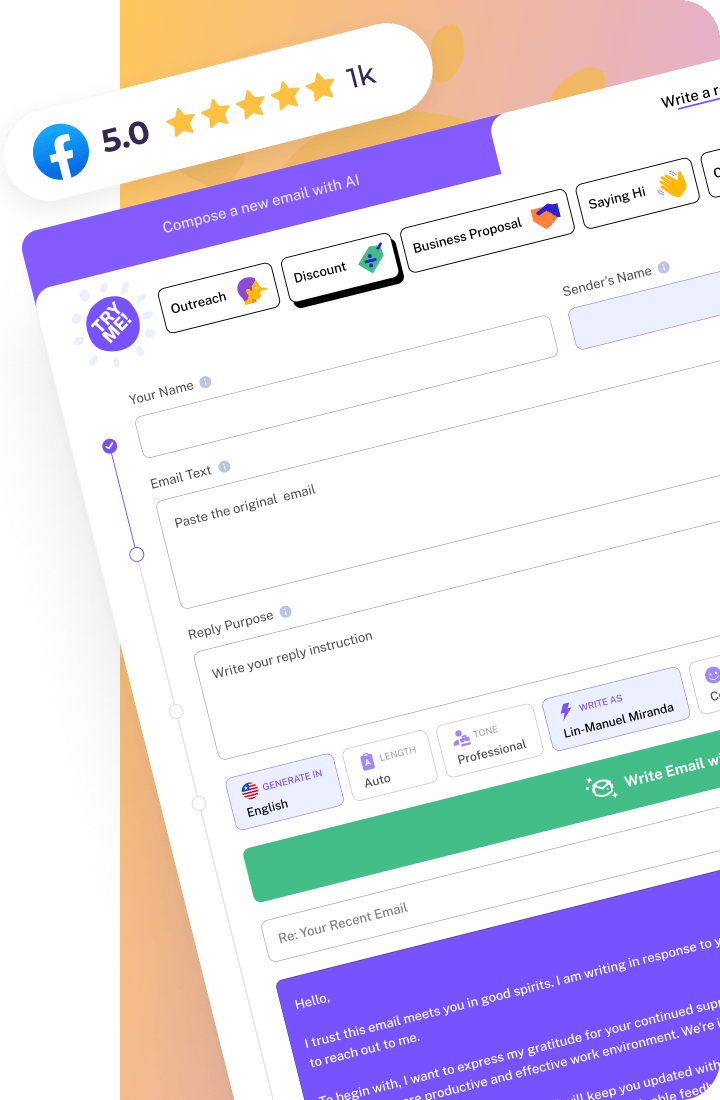
I’ll share some templates, but first a confession: I rarely write follow-up emails from scratch anymore. I use WriteMail.ai when I’m stuck on the right tone. Their free tier handles most situations perfectly. Not because I can’t write, but because sometimes the emotional weight of the email makes it hard to see clearly. Having a starting point helps me get past the blank page.
That said, here are frameworks you can adapt:
The Gentle Nudge (General Purpose)
The “Did You Get This?” (After No Response)
The Value-Add Follow-Up (Sales/Business Development)
The Interview Follow-Up
Common Mistakes That Kill Your Follow-Up Emails
Even well-intentioned follow-ups can backfire. Here’s what to avoid:
The guilt trip. “I’ve emailed three times now…” or “I’m not sure if you’re receiving my messages…” This puts them on the defensive and makes you seem difficult.
The novel. If your follow-up is longer than your original email, you’ve gone wrong somewhere. This isn’t the place to restate your entire proposal.
The passive-aggressive subject line. “Re: Re: Re: Re: Still waiting” tells them you’re frustrated, not professional.
The vague ask. “Just checking in!” without any specific request or question is easy to ignore because it doesn’t require action.
The immediate follow-up. Sending a follow-up 24 hours after your original email signals impatience, not persistence. Give people time to respond.
What to Do When Follow-Ups Don’t Work
Sometimes you send two or three follow-ups and still hear nothing. At that point, you have a decision to make.
First, consider whether silence is actually an answer. In business contexts, consistent non-response often means “not interested” or “not now.” Continuing to push won’t change that, and it might damage the relationship for future opportunities.
Second, try a different channel if appropriate. A brief LinkedIn message or a phone call might break through where email hasn’t. Just don’t use multiple channels simultaneously. That feels like an ambush.
Third, send a final “closing the loop” email. Something like:
“Hi [Name], I’ve reached out a few times about [topic] and haven’t heard back. I understand things are busy and this may not be a priority right now. I’ll leave this here, but please feel free to reach out if circumstances change. Wishing you well.”
This email accomplishes two things: it closes the conversation gracefully, and it sometimes prompts a response from people who feel guilty about their silence.
The Mindset Shift That Makes Follow-Ups Easier
Here’s what changed my relationship with follow-up emails: I stopped thinking of them as bothering people and started thinking of them as taking responsibility for my own outcomes.
When you don’t follow up, you’re leaving your success in someone else’s hands. You’re hoping they remember, hoping they prioritize you, hoping they respond without prompting. That’s a lot of hoping for something you can actually influence.
Following up is how you move your own projects forward. It’s how you demonstrate that something matters to you. It’s how you stay on someone’s radar in a world where everyone’s inbox is overflowing.
The people who get things done are almost never the people who send one email and wait. They’re the ones who follow up, follow through, and take ownership of getting to an outcome.
Pros of Using WriteMail.ai
- Write emails 87% faster
- One-click reply generation
- Customizable tone settings
- 40+ languages supported
- Eliminates writer's block
- Handles follow-ups, cold emails, and replies
- None
Getting Past the Blank Page
If you’re still staring at that email you’ve been avoiding, here’s my suggestion: just start. Write the worst possible version. Get something on the screen that you can edit. The hardest part is almost always the first sentence.
Or do what I do when I’m stuck: use a tool to generate a starting point. WriteMail.ai has a free version that helps when you can’t find the right words. You describe the situation, it gives you a draft, and suddenly you have something to work with instead of a blinking cursor.
Whatever approach you choose, send the email today. The follow-up you’ve been avoiding for a week won’t get any less awkward with more waiting. And the person on the other end? They’ve probably forgotten the delay entirely. They’re just glad you reminded them.
Conclusion
The follow-up email you’re avoiding isn’t going to write itself. And here’s the thing: waiting another day won’t make it easier. It’ll just make the silence longer and the eventual follow-up feel more awkward.
You now have the timing guidelines, the templates, and the mindset. You know the common mistakes to avoid. You understand that following up isn’t pushy. It’s professional.
The only thing left is to do it. Open your drafts folder, find that email, and send the follow-up. If you need help finding the right words, tools like WriteMail.ai can get you unstuck in seconds. But the real work is just deciding to hit send.
Your future self will thank you. And so will the person who’s been meaning to respond but needed the reminder.